You booked an all-inclusive resort expecting a worry-free vacation, only to find mystery charges on your final bill for cocktails, a dinner at the Italian restaurant and a spa session you assumed were covered. This happens to travelers constantly, and it usually comes down to one thing: nobody explained exactly what the plan included before arrival.
This guide breaks down how an all-inclusive resort actually works, from the basic pricing model to what drinks and meals are typically covered. We will also walk through the activities and kids’ programs usually part of the package, the hidden fees and charges to watch for, and how to choose and book the right plan for your travel style. By the end, you will know which questions to ask before you pay, so the price you see at booking is close to the price you actually pay at checkout.
What Is an All-Inclusive Resort? The Basic Model Explained
An all-inclusive resort works on a simple promise: you pay one upfront price that bundles your room, meals, drinks and most on-site activities. Instead of racking up a tab at the pool bar, the restaurant and the activities desk the way you would at a traditional pay-per-use resort, nearly everything on the property is already covered by the rate you booked.
It helps to see how this differs from other common meal plans. Full board includes three meals a day but excludes drinks and activities. Half board covers breakfast plus one other meal, usually dinner, and leaves everything else to your wallet. All-inclusive goes further by folding beverages, snacks and entertainment into the deal.
What a typical plan covers
Most all-inclusive plans cover breakfast, lunch, dinner and snacks between roughly 7:00 and 23:00, along with house wine, beer and standard spirits. That said, coverage varies by resort and rate tier, so always read the inclusions list for your specific booking rather than assuming everything on site is free.
What Drinks Are Included at an All-Inclusive Resort
Drinks are where all-inclusive plans vary the most, and where surprise charges tend to appear. House wines, local beer and standard cocktails made with well-known spirits are typically included in your rate. Premium spirits, top-shelf liquors and imported wines often cost extra, and many resorts keep a separate premium menu that is easy to miss until the charge lands on your bill. Some properties are upfront about this at check-in; others mention it only in small print on a menu, so it pays to ask directly.
The cost of getting this wrong adds up quickly. Premium alcoholic beverages are excluded at many all-inclusive resorts and cost $8-15 per drink when charged separately. If you enjoy a few cocktails a day, two pool drinks and a glass of imported wine at dinner can rival the price of upgrading your plan or adding a premium tier. Before booking, ask the resort or check their website for the actual drinks list, so you know whether your favorite brands are covered. Families should also ask about soft drinks, fresh juices and coffee drinks, since these are not covered on every plan.
- Minibar restocking: some resorts refill your in-room fridge with beer, soft drinks and water for free, while others stock it as a paid convenience or leave it empty.
- Poolside bar service: waiters taking orders at your lounger are included at some resorts, but others limit free drinks to the bar counter itself.
- In-room dining: 24-hour room service with drinks included is common at upscale properties, yet at others it is limited to certain hours or billed per order.
- Top-shelf upgrades: many resorts sell a premium drink bracelet or upgraded tier that unlocks imported spirits and specialty coffees for an added fee.
Meals, Snacks and Specialty Dining
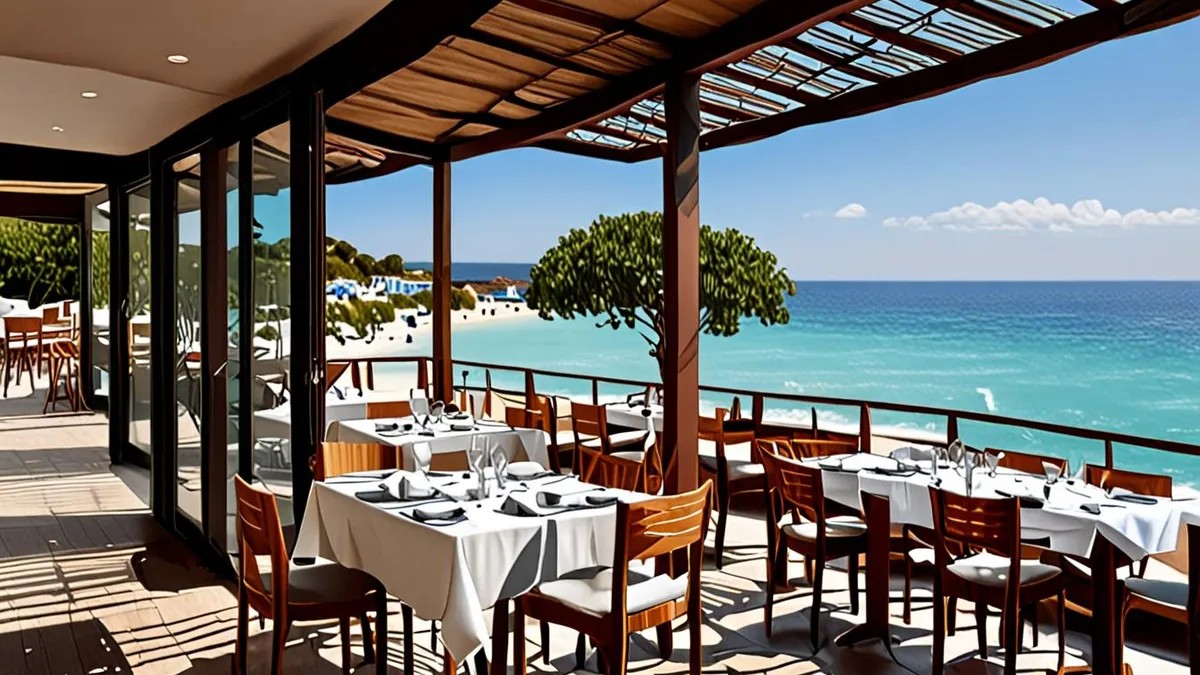
Food is the heart of any all-inclusive stay, and for most resorts that means buffets. Breakfast, lunch and dinner are served in the main buffet restaurants, with a wide spread that changes daily. Between those meals, snack bars and grills near the pool fill the gaps, so you can grab a burger, pizza or fresh fruit without leaving your lounger.
Most properties also offer specialty à la carte restaurants, often Italian, Asian, steakhouse or seafood themed. These usually require reservations, sometimes made through an app or concierge days in advance, and may carry a surcharge of $20-50 per person. Some resorts include a set number of specialty dinners in the base rate and charge only beyond that, so ask before you book your table.
Room service: included or extra?
Room service policies differ widely. Some resorts include it around the clock at no charge, while others limit it to certain hours, restrict the menu, or bill it as a paid extra. Confirm the policy before you arrive so you know whether that midnight snack is free or a line item on your bill.
If you are weighing whether a bundled plan suits your eating and drinking style, it helps to compare it with the alternative. Our guide to all-inclusive versus à la carte resorts breaks down the pros and costs of each model so you can decide with real numbers.
Activities, Kids’ Clubs and Extras Covered by the Plan
One of the biggest perks of an all-inclusive plan is that you rarely have to reach for your wallet once you’re on property. Most resorts include a solid lineup of non-motorized water sports, so you can grab a kayak or a paddleboard in the morning and borrow snorkeling gear in the afternoon without signing a single charge slip. At many resorts you simply show your room number at the equipment hut, and during busy weeks there may be a sign-up sheet or time slots to spread out demand.
That said, not everything on the beach is free. The moment an engine or an instructor is involved, you’re usually back into pay-per-use territory, and these add-ons can be surprisingly pricey when billed to your room. Ask at the activities desk before you book anything on site, and check whether your specific plan tier covers it, since coverage can differ between rates at the same resort.
Family travelers get some of the best value here. At family-oriented resorts, kids’ clubs, evening shows and daily activity schedules are typically part of the package rather than an optional extra, which can make a real difference to your total trip cost. Land-based options count too: tennis courts, beach volleyball, mini golf and guided bike rides are commonly included, so it pays to review the full activity calendar before choosing where to stay.
- Non-motorized water sports: Kayaks, paddleboards, Hobie Cat sailing and basic snorkeling gear are commonly included, usually with a sign-up sheet or time slots to spread out demand.
- Motorized water sports: Jet skiing, parasailing and banana boat rides almost always carry a separate fee, even at fully all-inclusive resorts.
- Diving and certification courses: Scuba diving courses and guided dives generally cost extra, though many resorts include a free introductory pool lesson.
- Spa and fitness extras: Spa treatments are billed separately, while the gym, sauna and daily classes like yoga or aqua aerobatics are usually covered.
- Off-site excursions: Any trip that leaves the property, from catamaran cruises to zip-line tours, is booked and paid separately.
- Kids’ clubs and entertainment: Supervised kids’ clubs, themed nights, live shows and daily activity programs are typically included at family resorts, with some clubs accepting children from around age four.
Hidden Fees and Charges to Watch For
The all-inclusive model works because most of your spending happens before you arrive. But the charges that do appear on your final bill tend to come from the same handful of places, and they’re easy to spot if you know where to look.
Surcharges on specialty dining, premium drinks, spa services and motorized sports are the usual suspects. These get billed straight to your room, often with a service charge added, so a few spontaneous extras can add up quietly over a week. If you’re comparing plans and wondering how the pricing actually breaks down, our guide on how to choose an all-inclusive resort walks through the details step by step.
Tipping rules vary more than you’d expect
There’s no universal tipping policy. Some resorts actively discourage or even ban tipping, while others expect a few dollars per service, typically in the $1-5 range for bartenders, servers and housekeeping. Ask at check-in what the house policy is, and set aside small bills if gratuities are welcome.
Do the math before you book
All-inclusive rates typically cost 20-50% more upfront than room-only rates at the same resort. That premium only pays off if you actually use the inclusions. Light drinkers and travelers who plan to eat out off-property often come out ahead with room-only or a cheaper plan tier.
How to Choose and Book an All-Inclusive Resort
Getting real value from an all-inclusive resort comes down to matching the plan to how you actually travel. Two guests can stay at the same resort and have completely different experiences with the same rate: one uses every inclusion and comes out ahead, while the other pays for perks they never touch. A few simple steps before booking can save you from that second scenario, and none of them take more than a few minutes of research.
- Match the plan level to your habits. If you enjoy cocktails by the pool, take part in daily activities and eat all your meals on property, a full all-inclusive rate delivers the most value. If you barely drink and prefer exploring local restaurants, a lighter plan or room-only rate may suit you better.
- Read the exact inclusions list for your rate. The same resort often sells several plan tiers with different coverage, so a basic rate might exclude minibar restocking, room service or specialty restaurants that a higher tier includes. Check the list attached to your specific rate, not the resort’s marketing summary.
- Time your booking. Booking 3-6 months ahead typically secures the best all-inclusive rates for high season stays, when demand pushes prices up. Shoulder-season dates stretch the budget further, and you can find more detail in our seasonal guide on when to book a resort for the best price.
It also helps to think honestly about your typical vacation style. If past trips have you leaving the property most days for tours, markets or beach hopping, an expensive top-tier plan quietly loses money. On the flip side, families with young children often get the most from all-inclusive pricing, since unlimited snacks, soft drinks and poolside meals add up fast when billed separately.
One last habit worth building: screenshot or save the inclusions list before you travel. If a charge on your final bill doesn’t match what you expected, having the exact terms of your rate on hand makes any conversation at the front desk much simpler. A quick review on checkout, while everything is fresh in your mind, catches billing mistakes before you’ve left the resort.
The Bottom Line on All-Inclusive Resorts
An all-inclusive resort bundles your room, meals, drinks and many activities into one upfront price, and for most travelers that is exactly what it delivers. The surprise bills happen when people assume everything on site is covered. In reality, premium drinks that cost $8-15 each, specialty dining with surcharges of $20-50 per person, spa services and excursions are the charges that show up most often at checkout.
The fix is simple: compare the plan tiers a resort offers and read the exact inclusions list before you book, so you know what your rate actually covers. Do that, and the model delivers real value instead of end-of-trip sticker shock. If this guide helped you sort out what all-inclusive really means, share it with a fellow traveler or drop a comment below.