Planning a Canada lodge trip in fall sounds simple until you realize the season is a moving target. Peak foliage can last barely two weeks, and book the wrong week in the wrong region and you’ll find either green canopies or bare branches and an early snowfall closing the roads. The good news: the timing follows a fairly predictable pattern, moving from the Rockies in late September to Ontario and Quebec in early-to-mid October.
This guide walks you through when fall color peaks across the country, from larch season in Banff and Jasper to lake country lodges in Algonquin and beyond, plus a few remote wilderness properties worth the splurge. You’ll also find practical advice on booking windows, what a fall stay typically costs, a packing list for chilly mountain nights, and a step-by-step planning section so you can lock in your dates before the season slips away.
When Fall Season Peaks Across Canada
Canada’s fall season doesn’t happen everywhere at once, and that’s the biggest planning mistake travelers make. The country is huge, and peak color moves across it in stages rather than arriving on a single date.
Where the color lands first
The Rockies lead the way. Late September is peak color in the mountains, and the star of the show is the golden larch, which turns a brilliant yellow around the last week of September. Unlike maples and oaks, larches are conifers that drop their needles after a few short weeks of gold, so the window is famously brief.
Ontario and Quebec run later. Foliage there typically peaks in early-to-mid October, though Algonquin Park is an early starter, with its color usually peaking around the end of September. If you want classic red maple lake country, aim for the first half of October in most of Ontario and Quebec.
Why the window matters
Here’s the catch: most seasonal lodges close by mid-October, no matter how good the color still looks from the highway. Winterization, staffing and weather all play a role, so the practical booking window for a fall lodge stay is roughly mid-September to mid-October. Pick your region first, then work backward from its peak week to find a lodge that’s actually open when the color is at its best.
The Rockies: Banff, Jasper and Larch Season
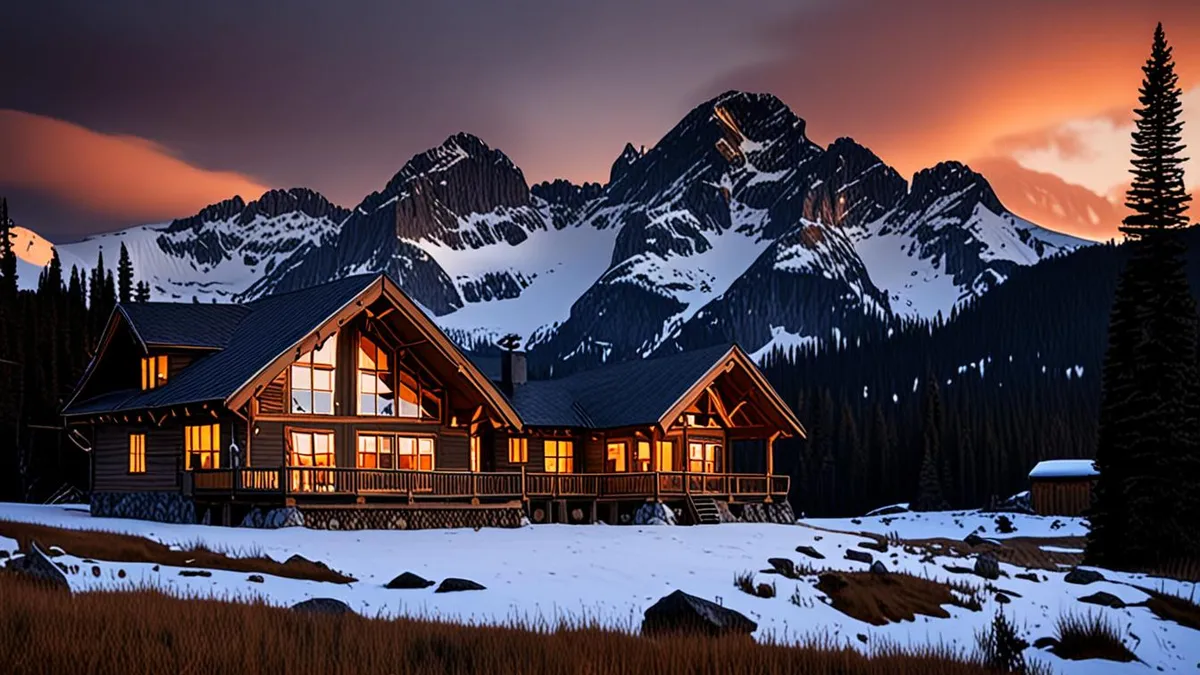
If golden larches are on your bucket list, the Rockies are the only place to get them, and Banff and Jasper sit right at the heart of the season. Larches turn a glowing yellow in late September, transforming valleys and high slopes into something that looks almost tropical from a distance. Lodge-based stays here put you minutes from trailheads and scenic drives, so you can chase the best color each morning without a long commute.
What the weather feels like
Expect days between 5 and 15°C, with nights often near or below freezing. That spread matters more than you’d think. Morning wildlife drives and early hikes start out cold, sometimes with frost on the car windows, then warm up nicely by midday. Pack layers you can shed and stash in a daypack: a warm midlayer, a windproof shell, and a hat and gloves for the early starts. Elk and deer are active at dawn, and being comfortable outside is the difference between lingering for a sighting and retreating to the heater.
Booking reality check
The Rockies are the tightest lead time of any Canadian fall region. Book 6 to 9 months ahead, especially for late September dates when larch season and lodge availability overlap. Weekend slots in particular go early, so if your dates are fixed, don’t wait until summer to start looking.
Ontario and Quebec: Lake Country Lodges
For classic fall color paired with a canoe and a wood-fired cabin, Ontario and Quebec are hard to beat. This is traditional Canadian lake country: quiet water, sugar maples in red and orange, and lodges where the morning routine involves a dock and a coffee rather than a trailhead parking lot.
Algonquin and the early peak
Lodges in the Algonquin area specialize in canoe-and-cabin fall trips, mixing paddling on calm lakes with cozy evenings by the fire. The park’s foliage typically peaks in the last week of September to the first days of October, earlier than most of Ontario, so late September dates are the sweet spot here. Booking a lodge near the park means you can paddle or hike during the peak and still be back for dinner.
Quebec’s lodge country
Quebec’s Laurentians and Eastern Townships peak later, in early-to-mid October, which makes them a good second choice if your travel dates fall after the Algonquin window. Rolling hills, village-dotted roads and lakeside lodges make this an easy region to explore by car between meals.
One more reason to consider this region: price. Lake lodges here typically run CAD 250-500 per night in fall, noticeably cheaper than comparable stays in the Rockies. You trade mountain peaks for maple color and often get more space, included canoes, and a slower pace for less money.
Remote Wilderness Lodges Worth the Splurge
For a true fall escape, nothing beats a remote wilderness lodge. Fly-in and boat-access lodges in Ontario and British Columbia typically charge CAD 800+ per night, but that rate usually covers all your meals, and often extras like guided outings or canoe use. You trade convenience for solitude: instead of sharing a trailhead with a busload of day-trippers, you get a private lake, stars you can actually see, and wildlife sightings that feel earned.
The catch is timing. Many of these lodges only operate for a few weeks in fall before closing for the season, so availability is far scarcer than at road-access properties. If you have your heart set on one, contact the lodge early and ask directly which weeks they run in autumn.
If the splurge price gives you pause, there’s a smart middle path. Road-access lodges near Algonquin or in Quebec’s Eastern Townships typically run CAD 250-600 per night, and they deliver much of the same experience: lakefront cabins, wood-fired saunas, and trail networks right outside the door.
- Ask how many guests the lodge takes per week. Small fly-in operations often host a dozen or fewer people, which is why the rate is high but the atmosphere is intimate.
- Clarify what the meal plan includes beyond dinner. Some remote lodges pack trail lunches for your day trips, which saves you from bringing food in by plane or boat.
- Check whether floatplane or boat transfers cost extra. Getting to a fly-in lodge is often a separate charge from the nightly rate, and it’s usually arranged through the lodge itself.
- Look at what activities are bundled in. Guided hikes, canoe rentals and use of dock facilities are commonly included at remote lodges, while road-access properties often charge for each separately.
How to Book a Fall Lodge Stay in Canada
Booking a fall lodge stay in Canada is mostly about timing and asking the right questions before you pay a deposit. The season is short, weekends fill fast, and many lodges shut their doors well before the calendar turns to November. A little preparation goes a long way, and a few pointed questions can save you real money and disappointment.
- Book fall weekends 4-6 months ahead. Saturday nights in particular sell out first, especially at lakefront properties with limited cabins, so reserving early gives you the pick of rooms and views. If you’re aiming for a specific cabin or a lakeside spot, mention it when you call rather than assuming it’s yours.
- Consider going midweek instead. Midweek stays are easier to secure and often cheaper, and you’ll frequently share the lake and trails with fewer people. Some lodges also run midweek specials in the shoulder weeks, so it never hurts to ask.
- Confirm the lodge’s exact opening and closing dates before booking. Many close by mid-October, and some remote properties only open for a short stretch, so a lodge that looks available online may not actually be running when you want to travel.
- Ask whether meals are included. Remote lodges usually bundle dining into the nightly rate, while road-access lodges typically don’t, and the difference can meaningfully change your total budget. Also ask about boat rentals, guided hikes or sauna access, since these extras vary widely between properties.
- Check the cancellation policy carefully. Fall weather in the mountains can be unpredictable, and seasonal lodges often have stricter terms than year-round hotels.
Once you’ve locked in your dates, reconfirm your reservation a couple of weeks before arrival. Seasonal staff transitions and early snow can occasionally shift schedules at smaller lodges, and a quick email or call ensures your cabin is ready and warm when you pull up. If you’re flexible on dates, ask the lodge directly which weeks tend to be quieter, as staff will usually be honest about the sweet spots between peak weekends and final closing. They can also tell you what’s still operating on-site, since docks, restaurants and activity programs sometimes wind down before the lodge itself closes.
What to Pack for a Canada Lodge Trip
Fall at a Canadian lodge is beautiful, but it’s genuinely cold, especially if you’re heading into the mountains or northern lake country. Plan for days around 5-15°C and nights that often dip to or below freezing, even in September. That contrast catches a lot of first-time visitors off guard: it can feel like mild autumn weather at check-in, then turn properly wintry by the time the sun drops behind the trees. The right packing list is the difference between cozy mornings on the dock with a thermos of coffee and miserable ones shivering in a fleece.
Think in layers rather than one heavy jacket. Mornings can start near 0°C, afternoons can feel mild in the sun, and evenings by a fire pit demand insulation again. A typical setup works like this: a moisture-wicking base layer, a fleece or light down midlayer you can add or shed as the temperature swings, and a windproof or waterproof shell on top. Footwear matters just as much as clothing. Fall trails are wet with rain and fallen leaves, and wooden docks on frosty mornings are slippery underfoot, so pack shoes with real tread rather than smooth-soled sneakers.
- Bring a warm hat and gloves even if you’re traveling in September. Pre-coffee sunrise outings and evening stargazing are when you’ll regret leaving them at home.
- Pack a headlamp with fresh batteries. Fall darkness arrives early in northern lodge regions, and many properties have dim paths between cabins and the main lodge.
- Include a quick-dry base layer for active days. Canoeing and hiking in damp fall air can leave cotton clothing clammy for hours, while synthetics or merino wool dry fast.
- Bring wool socks plus one spare pair per day. Wet feet from morning dew or rain are common, and dry socks are the most appreciated item in any lodge duffel.
Planning Your Fall Lodge Trip
A Canada lodge trip in fall works best in a mid-September to mid-October window, before winter closures shut the season down. That short stretch is when you catch the color: the Rockies for golden larches around late September, and Ontario or Quebec for classic foliage peaking in late September through early-to-mid October. Book 4-9 months ahead depending on region, with the Rockies needing the longest lead time.
Budget shapes the choice too. Road-access lodges in lake country sit at the lower end of the price range, while remote wilderness lodges start around CAD 800+, usually with meals included. Pick your region, lock in your dates early, and the season’s short window becomes an advantage rather than a problem. If this helped you plan your trip, leave a comment or share the article with a fellow traveler.