All seven main Canary Islands promise winter sun, yet choosing between them trips up even seasoned travelers. One island means high-rise resort strips and busy promenades, another means lava fields and quiet fishing villages, and a third means pine forests and hiking trails with barely a hotel in sight. Picking the wrong island can leave beach lovers bored and nightlife seekers stranded.
This guide breaks down the Canary islands resorts island by island, so you can match the destination to your trip rather than your expectations. We compare the big-hitter resort islands of Tenerife and Gran Canaria with the windier, wilder Lanzarote and Fuerteventura, then look at the small-scale western islands of La Palma, La Gomera and El Hierro. You’ll also find practical advice on when to go and how to book for the best rates. By the end, you should know exactly which island fits your travel style.
Canary Islands Resorts at a Glance: How the Islands Differ
The Canary Islands share one of the most reliable climates in Europe, with air temperatures hovering around 18-26°C all year. That consistency is exactly why the season matters less here than the character of each island. Two travelers visiting in the same week can have completely different holidays depending on where they base themselves.
Big islands, big choice
Tenerife and Gran Canaria carry the largest resort stock in the archipelago. If you want nightlife, shopping centers, international restaurants and full-service hotels within walking distance, these two deliver the most options by a wide margin. They also suit travelers who like having services on hand, from car rentals to medical facilities to organized excursions.
Wild west and windy east
Lanzarote and Fuerteventura take a different approach. Both trade large resort developments for volcanic scenery, wind sports and stricter low-rise building rules. The landscapes here feel rawer, and the pace is slower once you leave the main resort towns.
Then there is the quiet trio off the western edge of the archipelago. These suit hikers and slow travelers, with few large hotels, small family-run accommodation and some of the darkest night skies you’ll find in Europe. Think rural houses and walking trails rather than poolside entertainment programs.
The practical takeaway is simple: decide what kind of trip you want first, then pick the island. The weather won’t decide for you.
Tenerife: Big Resorts and Reliable Winter Sun
Tenerife is the archipelago’s resort heavyweight, and most of that weight sits on the south coast. The strip around Costa Adeje and Los Cristianos holds the island’s main concentration of hotels, and it also enjoys the driest weather on the island. While the north sits under trade-wind cloud for parts of the year, the south coast stays reliably sunny.
Who the south coast suits
This is the place for travelers who want everything within walking distance. Full-service resorts, kids’ clubs, pools, promenades and a wide choice of restaurants cluster together here, so you can park the car and still never run out of dining options. Families in particular appreciate having entertainment, shallow beaches and familiar facilities on the doorstep.
Day trips and the quieter north
You don’t have to stay pool-bound, though. Teide National Park, home to Spain’s highest peak at 3,715 m, sits about an hour’s drive from the south-coast resorts, making it an easy day trip. Book a cable car slot in advance if you want to go near the summit, and bring a jacket; it’s noticeably cooler at altitude.
If big resort strips aren’t your thing, look at the green, cloudier north around Puerto de la Cruz. It offers a quieter, more traditional stay, with black-sand beaches, historic streets and generally lower prices than the south. Many travelers split their stay between the two coasts to get both sides of the island.
Gran Canaria: Maspalomas Dunes and All-Round Variety
Gran Canaria is often called a miniature continent, and for resort travelers that translates into one base with a lot of variety on tap. The south of the island around Maspalomas and Playa del Inglés concentrates the main resort development, all beside a wide beach backed by rolling sand dunes that feel more Sahara than Atlantic.
One base, many day trips
What sets Gran Canaria apart is its compact size. From a southern resort base, you can reach mountain villages in the island’s interior, the capital Las Palmas with its old town and city beaches, and surf beaches on the north and west coasts, all within roughly 30-60 minutes by car. Few islands this size pack in that much contrast, from pine forests to fishing ports.
Families and long stays
The island also has a strong all-inclusive and apartment-resort scene, which makes it a common pick for families and for longer winter stays. Apartment resorts with kitchens and laundry facilities suit travelers settling in for several weeks, while all-inclusive properties keep budgeting simple for families with children.
Gran Canaria fits travelers who want a single base but varied day trips, rather than a holiday spent on one beach. If your ideal week mixes pool mornings with a mountain lunch and a city stroll, this is probably your island. If you want nothing but sunbeds and sea views, the south coast delivers that too.
Lanzarote and Fuerteventura: Volcanic Backdrops and Water Sports
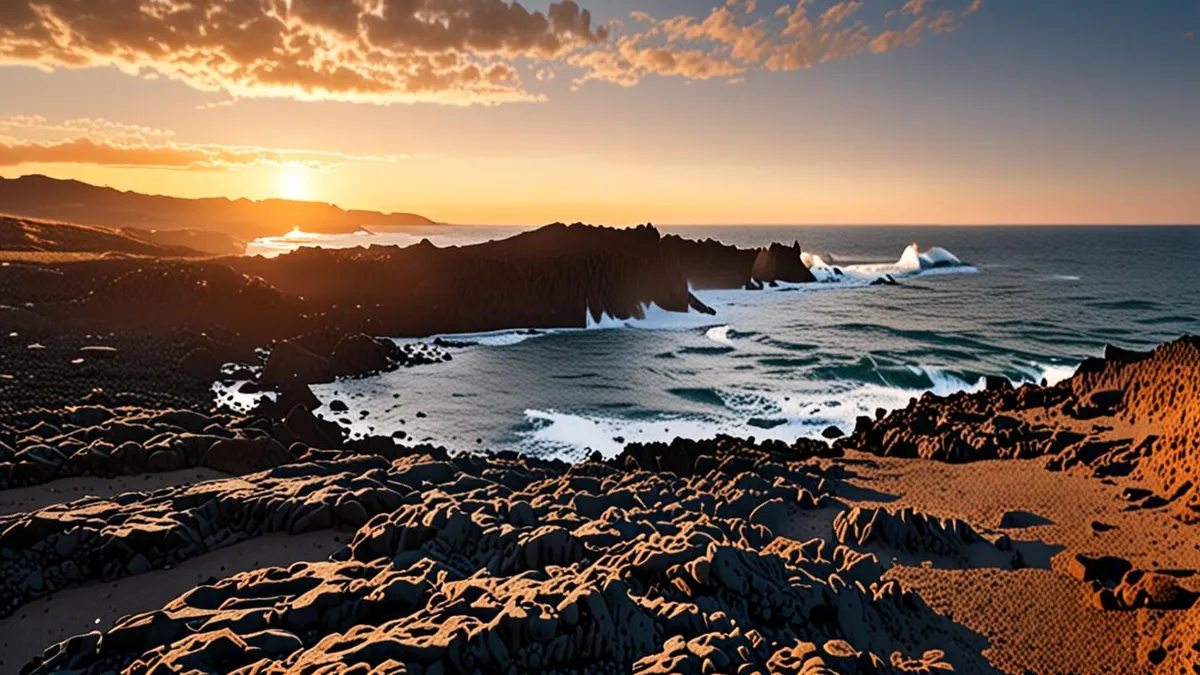
Lanzarote feels unlike anywhere else in the archipelago. Much of the island is protected lava landscape, and strict low-rise building rules have kept resorts such as Puerto del Carmen and Costa Teguise low and white-washed, blending into the black and ochre terrain rather than towering over it. The result is scenery you can enjoy from your hotel terrace, not just on a day trip.
Fuerteventura for wind and water
Fuerteventura is the wind-sports island. Steady trade winds funnel across its shores, and that has made Corralejo in the north and the long Jandia peninsula in the south the archipelago’s windsurfing and kitesurfing hub. Schools and rental centers cater to every level, from first lessons in shallow lagoons to downwind sessions for experienced riders. Swimmers and snorkelers will also find plenty of calm, sandy stretches between the windy spots.
Both islands have fewer and more spread-out resorts than Tenerife or Gran Canaria, so distances between beaches, towns and attractions add up quickly. A hire car makes a real difference here, letting you pair a morning surf session with an afternoon exploring volcanic viewpoints or fishing villages without depending on sparse bus routes.
These islands suit couples and active travelers best. If your priority is dramatic scenery, time on the water and quiet evenings rather than shopping malls and late-night entertainment, Lanzarote and Fuerteventura will fit you far better than the big resort islands.
La Palma, La Gomera and El Hierro: Green, Quiet and Small-Scale
West of Tenerife, the character of the Canaries changes completely. La Palma, La Gomera and El Hierro trade beachfront resort strips for small hotels, rural houses and self-catering apartments, often family-run and scattered through villages and hillsides rather than lined up along the shore.
Built for walkers
La Palma has one of the most extensive marked hiking networks in the archipelago, with trails crossing crater rims, pine forests and deep ravines. La Gomera, a ferry hop of roughly 2-3 hours from the western islands’ ports, is famous for its ancient laurel forest, a misty, moss-draped landscape best explored on foot. Neither island is a beach-resort destination; if your ideal day ends with a sunset walk rather than a poolside cocktail, these islands will feel like a perfect match.
El Hierro is the smallest and remotest of the three, and it draws divers and travelers seeking silence rather than resort amenities. Its clear waters and marine reserves make it one of the Canary Islands’ most rewarding diving spots, and the island’s calm pace is part of the appeal.
One practical upside: nightly rates tend to be lower than on the big islands, so your budget stretches further. The trade-off is limited dining and transport options. Restaurants cluster in small towns, bus services are sparse, and renting a car is close to essential for exploring freely. Book accommodation early in high season, as the small properties fill quickly.
When to Go and How to Book
Timing matters in the Canary Islands, though less than in most European destinations thanks to the mild year-round climate. Air temperatures hover around 18-26°C no matter when you go, so the real question is not “when will the weather be good?” but “do I want peak-season reliability or shoulder-season value?” The answer usually comes down to your budget, your tolerance for crowds and whether you are chasing winter sun or a summer escape. Here is a simple way to plan your trip.
- Pick your season first. For the most reliable sunshine and the warmest sea, aim for mid-December to Easter, the archipelago’s winter high season. This is when northern Europeans flee the cold, so expect livelier resorts and premium rates, especially on the popular south coasts.
- Book ahead for high season. Reserve winter stays 3-4 months ahead to get better rates and a genuine choice of rooms rather than whatever is left. If you are traveling in July-August instead, booking 2-3 months ahead usually secures good rates. For a deeper look at the logic behind booking windows, this seasonal guide to the best time to book a resort breaks it down.
- Consider the shoulder months. May-June and October-November bring fewer crowds, calmer beaches and prices that sit closer to the €100-200 mid-range band, while the weather stays firmly on the pleasant side. These months suit travelers who value space over buzz.
- Factor in the flight time. Flights from western Europe take about 4-4.5 hours, so even a one-week trip works without long transfers eating into your holiday.
Whichever window you choose, the islands’ stable climate means you are rarely gambling on the forecast. Match your dates to your budget and crowd tolerance, and the sea will do the rest.
Wrapping Up: Picking Your Island
So which island suits your trip? If you want big resorts, full services and plenty of variety in one place, Tenerife and Gran Canaria are the safest bets. Lanzarote and Fuerteventura reward scenery lovers and wind- and water-sports fans with volcanic backdrops and a slower pace.
For hikers and divers who put quiet ahead of resort comfort, the smaller islands off the western coast—La Palma, La Gomera and El Hierro—are the better match. And whichever island you choose, the year-round 18-26°C climate means the season matters far less than matching the island to your travel style. If this helped you decide, leave a comment or share the article with a fellow traveler.