Historic hotels promise charm and atmosphere, but many travelers hesitate. Will the room be creaky and cramped? Will the amenities feel outdated? And is that premium price really paying for the past, or for comfort? These doubts are common, and often justified, because staying in a genuinely old building comes with trade-offs as well as rewards.
This guide walks you through what to expect and how to choose well. We cover what makes a hotel genuinely historic, what rooms and facilities in heritage buildings typically offer, and how to pick the right one for your trip. You’ll also find advice on timing your booking and your stay, where historic hotels shine across Europe, and how they compare with other stay types, so you can book with confidence instead of crossed fingers.
What Makes a Hotel Genuinely Historic
A genuine historic hotel is not just a hotel with antique furniture in the lobby. It occupies a building with a documented age, often 100 years or older, and that building usually had a completely different life before welcoming guests: a monastery, a palace, a coaching inn, a merchant’s townhouse. The hotel’s own website should tell that story with dates and details you can verify, not just vague talk of “old-world charm.”
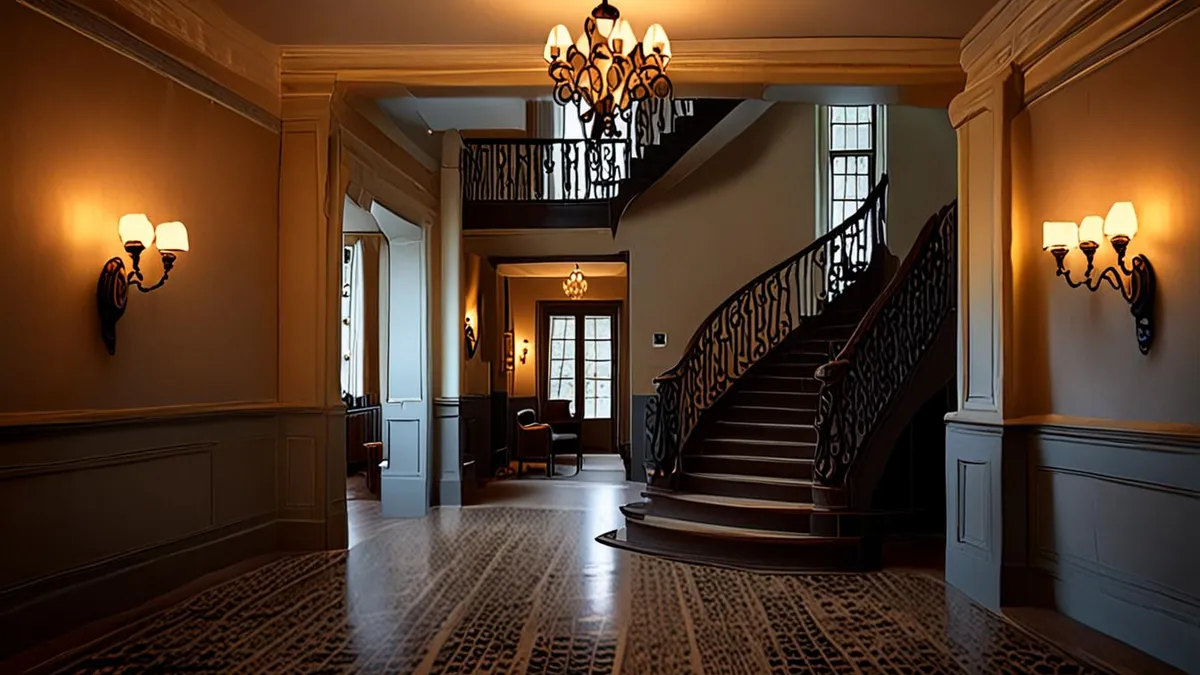
Original features such as stone walls, timber beams or a sweeping period staircase are usually protected. If the building is listed heritage property, as many of the best ones are, those features cannot simply be ripped out or covered over. That protection is exactly what gives the hotel its character, but it also limits how rooms can be modified, which explains a lot about what you’ll find inside.
Don’t Trust the Marketing Words
Terms like “classic” or “traditional” appear on plenty of hotels built in the last few decades. They describe a style, not an age. Before booking, check the building’s history on the hotel’s own site: a real historic property will usually state when it was built and what it used to be. If that information is missing, treat the “historic” label with healthy skepticism.
Heritage listing also explains the layout quirks you’ll encounter: oddly shaped rooms, corridors that turn corners for no obvious reason, windows at unusual heights. These aren’t flaws so much as the fingerprints of a building that was designed for a different century. Knowing this upfront helps you read a hotel’s description accurately and set the right expectations.
What to Expect From Rooms and Facilities
Rooms in old buildings are typically smaller than what modern chains offer, often around 15–22 square meters in protected heritage properties. The walls and windows are where they are, so bathrooms tend to be retrofitted into old layouts, which can mean compact showers or an odd step up into the bathroom. None of this is a dealbreaker, but it helps to know before you arrive with two large suitcases.
Facilities vary more than they would in a new-build hotel. Some things have usually been modernized quietly and well; others depend entirely on what the building’s structure and heritage rules allow. Before booking, it pays to confirm the basics directly with the hotel rather than assuming a grand old facade comes with grand modern systems.
- Climate control: In older European buildings, air conditioning is missing in roughly a third of cases, and even where it exists it may be a quiet unit rather than full central cooling. Ask specifically about your room, not the hotel in general.
- Vertical access: In some buildings over 100 years old there is no elevator, so an upper floor means climbing stairs with your luggage. If stairs are an issue for you or your travel companions, request a lower floor at the time of booking.
- Sound: Sound insulation can be thin, and timber-framed properties come with creaky floors as part of the deal. A room away from the street side, or on a top floor below no one, can make a real difference.
- Power and connectivity: Wi-Fi and plumbing are usually modernized, but protected rooms may have limited outlets, sometimes only one or two near the desk. Bring a small power strip if you travel with several devices.
None of these points are reasons to avoid historic hotels; they’re simply the trade-offs that come with sleeping inside a protected building. Travelers who know what to ask about almost always end up happier with their choice.
How to Choose the Right Historic Hotel
Start with an honest question: what do you actually want from the stay? Some travelers want the full atmosphere of a landmark building, quirks and all, and would happily trade a rain shower for a four-hundred-year-old beam above the bed. Others prefer modern comfort with a historic shell, meaning a sensitively updated building where the character is on display but the plumbing and bedding are up to current standards. Neither answer is wrong, but they point you toward different properties.
Read Reviews Like a Detective
Once you have a shortlist, skip the general praise and go straight to recent reviews that mention specifics: noise from the street or neighboring rooms, how warm or cool the rooms run, and how many stairs stand between reception and the door. These three topics reveal far more about daily comfort than a paragraph of compliments ever will. Pay attention to reviews from the last year, since ownership and renovation work can change conditions quickly.
Price is the other side of the equation. Historic properties typically run from roughly €90 to €350 per night depending on the city and season, and in major capitals you’ll often pay a premium over a modern hotel a few streets away. Decide whether the atmosphere justifies that difference for this particular trip, or whether a night or two in the historic property plus cheaper nights elsewhere gives you the best of both.
Renovation and Fit
Check whether the hotel has been renovated recently. A sensitive renovation is the sweet spot: it keeps the character while fixing the comfort, from soundproofing to climate control. Finally, match the property style to your trip using the same criteria you’d apply to any hotel, location, access to your planned sights, and the kind of base you need. A romantic landmark inn suits a two-night city break; a long working stay might favor something more practical.
When to Book and When to Stay
Historic hotels tend to be small, and small means their best rooms go fast. For a stay in June, July or August, booking 2 to 4 months ahead is a sensible rule of thumb rather than a suggestion. Many heritage properties occupy a single old building with a limited number of rooms, so there is no overflow wing when the calendar fills.
If your dates are flexible, aim for the shoulder seasons. April–May and September–October bring milder weather across most of Europe, which matters more than usual here: in older buildings without air conditioning, a cool spring or autumn night is far more comfortable than a hot summer one. Rates often soften a little outside peak months, too.
Winter has its own catch. Low season, roughly November to March, is when renovation work is most common, and scaffolding on a protected facade is not the view you booked for. A quick email asking about ongoing or planned works can save the trip.
Timing within the week counts as well. In city-center heritage properties, midweek nights are usually cheaper than weekends, when short-break travelers push prices up. For a fuller picture of how booking windows affect rates, this guide to when to book hotels for better prices is a useful companion.
- Ask about room position when booking. In buildings with few rooms, a courtyard-side room can be quieter than a street-facing one on a narrow old-town lane.
- Confirm renovation schedules in writing. A reservation team can usually tell you which floors or wings are affected and whether work happens during the day only.
- Check minimum-stay rules around holidays. Small historic properties sometimes require two or more nights over festive periods and local festivals.
- Consider Sunday arrivals in city centers. Business-driven demand drops after the weekend, which can make Sunday the quietest and often the best-value night.
Where Historic Hotels Shine in Europe
A few European destinations do historic hotels particularly well, either because the buildings themselves are remarkable or because the setting amplifies everything. Knowing where each type shines makes it easier to match the property to the trip.
City breaks with architectural weight
Oxford is the classic example of a college town where the hotels sit in centuries-old buildings, many within a short walk of the colleges and their carved stonework. If your trip is built around architecture, libraries and university history, staying in a building that belongs to the same era as the sights changes the feel of the whole visit. Our guide to Oxford hotels in historic corners of the city covers the options in more detail.
Vienna works differently but just as well. The grand imperial-era properties along the Ringstrasse and in the old center pair naturally with the city’s café culture, so an afternoon spent over coffee and cake feels like an extension of the hotel rather than a separate activity.
Small towns and old quarters
Hallstatt and other lakeside towns offer small historic inns where the setting does most of the work. Rooms may be simple and the buildings modest, but waking up to a lake and mountains compensates for thinner walls and a slower elevator, if there is one at all.
Old town districts across Europe, such as Krakow’s, concentrate historic stays within walking distance of the main sights. In these quarters you can often leave the car behind entirely, step out of the hotel and be at the market square, cathedral or castle in minutes, which is exactly what a short city break needs.
Historic Hotels vs Other Stay Types
Choosing between a historic hotel and other types of accommodation comes down to what you are actually paying for. Historic hotels trade space and uniform amenities for atmosphere and location. You will usually get a smaller room, a quirkier layout and fewer standard features than at a modern chain, but you get a building with a story and, very often, an address in the heart of town.
How homestays compare
Homestays sit at the other end of the spectrum. They offer far more personal interaction with your host, along with local tips you will never find on a hotel concierge desk, but they rarely occupy landmark buildings. If your priority is meeting people and getting an inside view of daily life, a homestay may fit better. If character, architecture and a sense of place matter more to you than service or conversation, the historic hotel wins.
Modern chains, for their part, deliver predictability: bigger rooms, reliable climate control, gyms and standardized breakfasts. That consistency is exactly what some travelers want after a long travel day, and there is no shame in mixing both types on the same trip.
What star ratings tell you
Star ratings are useful here, but only up to a point. They measure facilities and comfort levels, not the age or charm of the building, so a three-star inn in a 400-year-old structure may deliver more atmosphere than a five-star tower nearby, while offering a fraction of the amenities. When comparing options, it helps to understand what hotel star ratings actually mean before you use them as your main filter.
A practical approach is to decide your top priority first, whether that is character, comfort or connection, then use ratings and reviews to find the best property within that category rather than across all of them.
Wrapping Up Your Historic Hotel Stay
A historic hotel gives you atmosphere, a central location and real character in exchange for smaller rooms and a few quirks along the way. That trade is exactly what worries many travelers: creaky floors, thin walls and a premium price for the past. The good news is that most of those worries can be settled before you book rather than after you arrive.
Before reserving, check whether the building has air conditioning, an elevator and recent reviews that mention noise, temperature and stairs. If you are traveling in the June to August high season, aim to book 2–4 months ahead, since historic properties often have few rooms and fill early. For the best balance of price, weather and comfort, consider the shoulder seasons in April–May or September–October. If you have stayed somewhere with serious history, leave a comment or share this article with a fellow traveler.