Norway feels like four different countries across the year, and that is exactly what makes planning a Norwegian lodge stay tricky. The month you pick can deliver roaring waterfalls and midnight hikes, or weeks of darkness lit only by candles and the occasional aurora. Choose the wrong window for the trip you imagined, and even a beautiful lodge can feel like the wrong destination entirely.
This guide walks through the calendar month by month, so you can match the season to your goal. We will look at why timing matters more than the region you choose, the fjord season from May to September, the northern lights season from late September to March, and the Arctic extremes of midnight sun and polar night. Then we will cover the winter sports season from December to April, share practical tips for picking your month and booking smart, and wrap up with a simple way to match your month to the Norway you want to experience.
Why the Month You Choose Shapes Your Norwegian Lodge Stay
Norway stretches from mild southern fjords all the way past the Arctic Circle, and the seasons change dramatically with latitude. While orchards bloom along the southern fjords in May, far northern lodges may still be shaking off winter snow. A country this long and narrow simply does not have one universal “best time to visit.”
This is why the same lodge area can mean completely different experiences depending on the month you arrive. Book a cabin above the Arctic Circle in June and you get the midnight sun, with daylight stretching around the clock. Arrive at the same spot in December and you are deep in polar night, when the sun barely rises at all. Head there in September instead, and you may catch early autumn colors and your first aurora of the season.
Match the month to your goal
Before you fall in love with a famous region, decide what you actually want from your stay. Hikers chasing green valleys and open trails need the summer months. Aurora hunters need dark, clear nights from autumn onward. Skiers need reliable snow, and travelers craving quiet, candlelit evenings need the deep winter months when crowds vanish.
Once your goal is clear, choosing the right month becomes much easier than choosing the “right” destination. A well-timed lodge stay in a lesser-known area will beat a poorly-timed trip to a famous one every time. The sections below break down each season so you can find the window that fits the trip you are imagining.
Fjord Season: May to September for Waterfalls and Hiking
The fjord season runs from May to September, and it is the classic window for a Norwegian lodge stay in the west. Waterfalls pour at full force, hiking trails open up, and the landscapes that fill postcards are at their most generous. If your dream trip involves green valleys, mirror-still water and long days on the trail, this is your season.
June to August: peak fjord season
June to August is when the fjord cruise and hiking season peaks. These months bring the warmest weather of the year, very long days, and full ferry and cruise schedules, so getting around is at its easiest. The trade-off is popularity: the most famous viewpoints and fjord towns draw serious crowds in July, and lodge prices reflect the demand.
May and September: the shoulder-season sweet spot
May is a favorite among repeat visitors. Snowmelt sends waterfalls thundering at full flow, orchards along the fjords burst into bloom, and shoulder-season prices make popular lodges noticeably easier on the wallet. Trails are generally walkable, though you should check conditions at higher elevations where snow can linger.
September delivers a different kind of magic: autumn colors spreading across the hillsides, thinner crowds on the trails, and hiking conditions that remain reliable for most of the month. As a bonus, the darker evenings give you a small chance of catching an early aurora in the north. For a deeper look at where to base yourself, see this guide to Norway fjord lodges with the best views.
Northern Lights Season: Late September to March
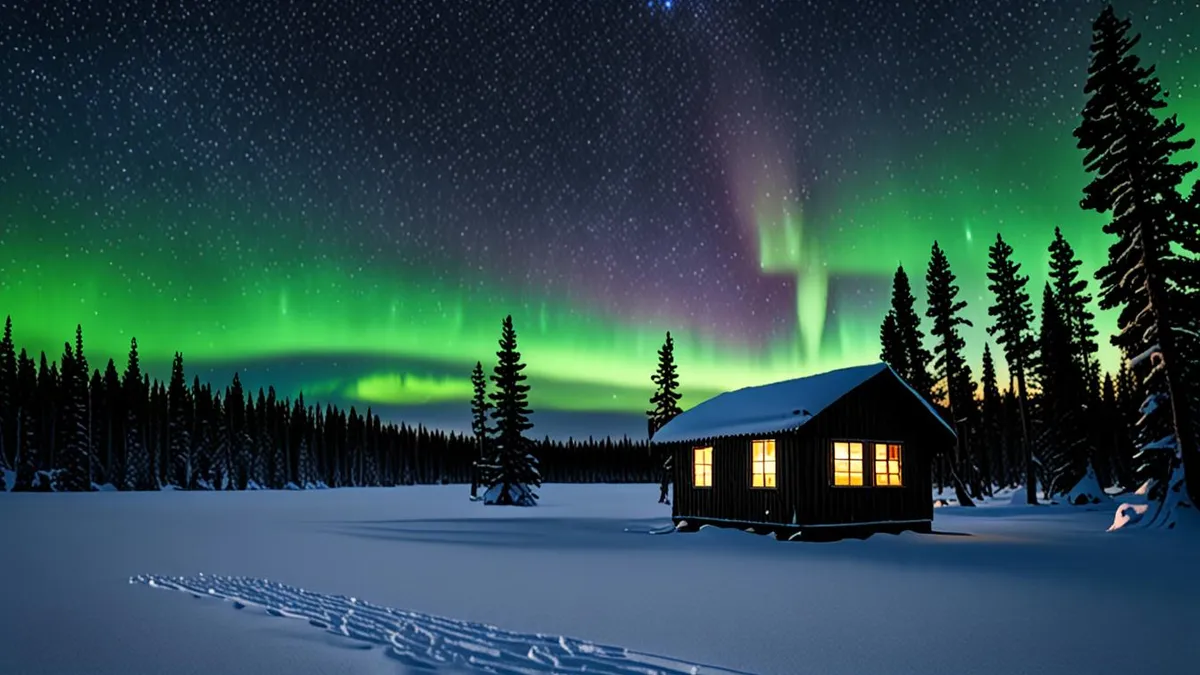
From late September to late March, northern Norway turns into one of the world’s best places to watch the aurora borealis. Lodges around Tromsø and in Finnmark sit inside the aurora zone, meaning that on a clear night, the lights can appear directly overhead rather than just on the horizon. That positioning is the whole reason serious aurora chasers base themselves here.
When your chances are best
Clear-night chances begin from late September onward, once darkness returns to the north. February and March are often the sweet spot: the nights are still long and dark, but daylight hours are growing again, and the weather tends to be more stable than in the depths of winter. Deep winter trips in December and January can be spectacular, but you are trading daylight and milder conditions for maximum darkness, and storms can ground aurora outings for a night or two.
Keep in mind that the aurora is a natural phenomenon, so no month or lodge can guarantee a display. Plan a stay of several nights rather than one or two, and treat any sighting as a bonus rather than a promise.
Booking ahead matters in the far north
Aurora-season lodges in Tromsø and Finnmark should be booked 3-4 months ahead. Availability in the far north is limited, and the small, atmospheric properties that make these trips special tend to fill first. If you would like to compare the experience across the border, this guide to cozy Finnish lodges for snowy nights covers a similar Arctic mood with its own character.
Midnight Sun and Polar Night: The Arctic Extremes
Above the Arctic Circle, Norway plays by different rules. From about late May to late July, the sun simply never sets. Step outside your lodge at midnight and you’ll find the sky glowing like late afternoon, with birds still active and the water catching golden light. For hikers and anglers, this is a gift: you can set out for an evening trail or cast a line after dinner and keep going for hours without ever needing a headlamp.
Lodges in the far north build their summer around this rhythm. Many serve late dinners, keep terraces open into the small hours, and plan guided hikes and fishing trips for times that would seem absurd further south. If you’ve ever wanted to lose track of time completely, this is the season to try it. Pack a sleep mask, though — blackout curtains help, but your body may still need a few nights to adjust.
The polar night: winter’s quiet counterpart
From about late November to mid-January, the equation flips. In far northern Norway the sun barely rises at all, and lodges lean into the darkness rather than fight it. Think candlelit dinners, wood-fired saunas, long breakfasts, and slow days built around short bursts of blue twilight rather than full daylight. It’s a deeply restful kind of travel that some guests return for every winter.
A word of honesty: these extremes aren’t for everyone. If it’s your first trip to Norway and you want the classic postcard sights, the fjord season or aurora season will likely serve you better. But if you’re chasing something you genuinely cannot experience further south — hiking under a sun that refuses to set, or living by lamplight for a few days — the Arctic extremes deliver exactly that.
Winter Sports Season: December to April
From December through April, Norway’s ski regions are in their element. Resorts such as Trysil and Hemsedal typically hold reliable snow cover for the whole of this stretch, which makes them dependable choices if you want a lodge stay built around downhill skiing rather than hoping for conditions. Groomed runs, lift systems and ski-in access to many cabins mean you can plan a trip months in advance with reasonable confidence.
Why February to April is the sweet spot for lodge guests
While the slopes open in December, the weeks from February to April are when lodge-based winter activities really peak. Days grow noticeably longer, cross-country skiing trails are in prime condition, and there is enough daylight to combine a morning on the trails with an afternoon of snowshoeing, ice fishing or simply reading by the fire. The light also makes a real difference for families and less confident skiers who find deep-winter darkness a challenge.
Prices reflect demand. Expect winter lodge rates to run roughly 20-40% above shoulder-season prices, with the steepest premiums around the Christmas and Easter holiday weeks. If your dates are flexible, late January or midweek stays in March often deliver the same snow quality at a friendlier rate. Check current prices directly with lodges, as they vary by property and week.
If your priority is quiet rather than pistes, it is worth comparing Norway with its neighbor: lodges across the border in Finland trade slopes for stillness, and our guide to Finnish lodges built for winter silence covers that slower style of snow season.
How to Pick Your Month and Book Smart
Picking the right month for a Norwegian lodge stay starts with one simple question: what do you actually want to see? Norway rewards travelers who match their dates to their priorities, and the difference between a great trip and a disappointing one often comes down to booking around that goal rather than around a famous region. Here is a practical way to decide.
- Set your main priority before anything else. If fjords are the draw, aim for June through September, when boats, trails and mountain roads are in full swing. If the aurora is the goal, plan between October and March. Skiers get the best mix of snow and daylight from February into April. One priority, one window — that is your anchor.
- Work backward from booking lead times. For summer fjord lodges, book 4-6 months ahead, as the most popular cabins sell out early. Shoulder months like May and September typically need far less lead time, so you can often plan those trips a month or two out.
- Use May and September as your value play. These shoulder months usually mean lower prices, fewer tour buses at viewpoints and easier cabin availability. You trade some peak-season warmth and long evenings, but you gain quieter trails and lodges that are simpler to book.
- Check the details before you commit. Ferry schedules, lodge opening dates and activity availability shift by season and operator, so confirm current details with the lodge or your tour operator before locking in dates.
A little honesty about your own travel style helps too. If you hate crowds, no amount of good weather will save a peak-July stay at a busy fjord lodge. If you need long daylight to feel happy, deep winter in the north may test you. Match the month to your temperament as much as to your sights, and the rest of the planning usually falls into place.
Wrapping Up: Matching Your Month to Your Norway
Norway can feel like four different countries in a single year, and the month you pick decides which one you get. A lodge booked for the wrong season can mean closed trails instead of fjord hikes, or daylight so short that the scenery you imagined never appears. Start with your priority: fjord hikers should aim for June to August, while aurora chasers are best served from October to March, when the northern lights season is in full swing.
If you want the best of both worlds, the shoulder months of May and September trade peak weather for lower prices, fewer tour buses and quieter lodges. And if you have your heart set on a popular fjord lodge in high summer, booking 4-6 months ahead is what secures the spot. Wherever you land on the calendar, we’d love to hear which month you chose for your Norway trip—leave a comment or share this article with a fellow traveler.