Glamping with kids sounds like the perfect compromise: fresh air and campfires for them, a real bed for you. But many parents hesitate, worried that one wrong choice — a site with no space to play, a tent too small for the family, or a chilly night gone wrong — will turn a promising nature escape into a stressful weekend of meltdowns.
The good news is that a little planning goes a long way. This guide walks you through why glamping works better with children than most parents expect, how to choose a genuinely family-friendly site, which accommodation type suits your crew, and when to book and go. You’ll also find practical advice on packing, structuring each day so everyone stays happy, and a quick summary to pull the whole trip together. Read on and start planning a weekend the kids will talk about for months.
Why Glamping With Kids Works Better Than You Expect
If you’ve ever done traditional camping with young children, you know the pain points: wrestling with tent poles while the kids run off, sleeping on thin mats, and trekking to a shared bathroom at midnight. Glamping removes almost all of that. Real beds, heating, and private bathrooms mean the hardest part of your day is choosing where to sit by the fire — not assembling gear in the rain.
Space to roam, space to relax
Many family-oriented glamping sites are fenced or compact by design, so children can wander and play within sight while you actually finish a cup of coffee. That single feature changes the whole tone of a trip: instead of constant supervision, you get genuine downtime while the kids burn off energy outdoors.
And the nature immersion still happens. Campfires, stargazing, spotting birds and deer — kids get all of it, without parents hauling a carload of equipment or cooking over a finicky stove. You get the memories of a camping trip with a fraction of the logistics, which is exactly what a first family outdoor adventure should feel like.
Choosing a Family-Friendly Glamping Site
The site you choose makes or breaks the trip. For your first outing with children under 6, keep it simple and prioritize sites within a 2-hour drive. Short travel times mean a rough night’s sleep doesn’t ruin the whole weekend, and you can head home early if needed without drama. Before you start comparing options, it helps to work through a glamping site checklist, since the same fundamentals apply whether you’re traveling solo or with kids.
Beyond distance, look closely at what the site actually offers families. Many good sites provide cribs, high chairs and dedicated kids’ play areas, but you should confirm these at booking rather than assume. Safe walking paths matter too — you want children to be able to move between the tent, the play area and the campfire without crossing roads or water.
- On-site activities: Petting farms, pools or shallow lakes fill the gaps between planned outings and are often what kids remember most.
- Downtime fillers nearby: A playground, a short nature trail or a small animal enclosure within walking distance saves you from driving every afternoon.
- Layout and sightlines: Choose sites where the play area is visible from the accommodation, so one adult can supervise while the other handles meals.
Finally, read recent reviews specifically mentioning children. They reveal how the site handles noise, whether other families felt welcome, and whether the “family-friendly” label holds up in practice. A site that looks great in photos can still fall short if the reality doesn’t match what families with young kids actually need.
Picking the Right Accommodation Type for Your Family
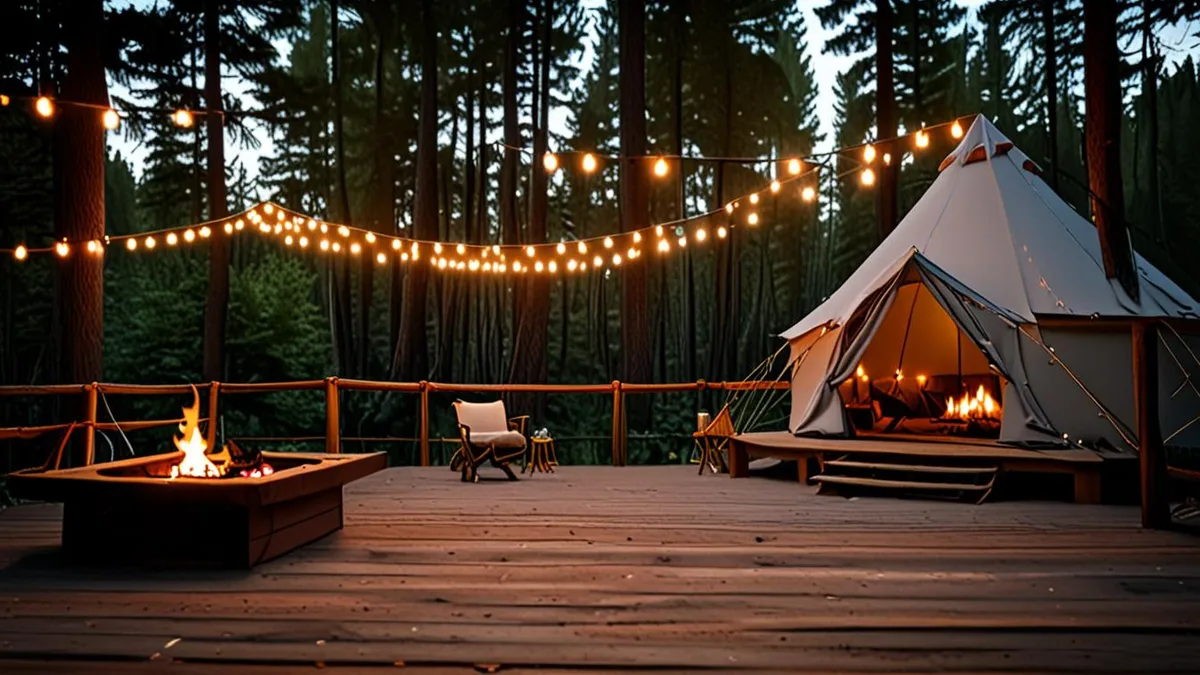
Accommodation type matters more with kids than without them. For a family of four, a safari tent of 25–40 m² is usually the sweet spot: enough floor space for cots and luggage, proper standing room for rainy-day games, and often a covered deck where you can sit while the kids play nearby. If you’re new to safari tents, our complete packing guide for a luxury safari tent stay will show you what’s typically provided and what you should bring yourself.
When comfort comes first
Traveling with toddlers or babies? Cabins and lodges offer the most comfort by a clear margin. Solid walls keep out noise and drafts, kitchens make bottle prep and picky-eater meals easier, and everyone tends to sleep better without canvas flapping in the wind. Ask whether cribs and high chairs are available before you book — many family sites provide them, but you want it confirmed in writing.
Bell tents are the budget-friendly option, and they can be charming — but be realistic about space. They get tight for more than two adults and two small kids, especially once bags and bedding spread out. They work best for short trips with children old enough to climb into a low camp bed on their own.
One last check before you book: confirm the actual bed configurations. Many tents marketed as “family” units sleep four only as two doubles, which is awkward if you have two kids who each need their own bed. A quick message to the site saves an uncomfortable surprise on arrival.
When to Book and When to Go
Glamping has quietly become one of the most competitive family travel niches, and the best family-equipped units — the safari tents and cabins with cribs, play areas and proper kitchens — often sell out long before regular campsites do. As a rule of thumb, reserve 2–3 months ahead for summer weekends and 4–6 months for school holidays, when demand from families locked into the same dates peaks.
Timing your trip matters just as much as booking early. For a first family trip, target late May–June or September: temperatures are milder, sites are calmer, and staff tend to have more time for questions about cots, high chairs and walking paths. If you’re flexible on destination, a resource like the best seasons and regions for glamping in Portugal shows how shoulder-season planning works in a country with a long, mild outdoor season.
Budget-wise, expect $150–$400 per night for a unit sleeping four, depending on the region, the season and how much is included. Midweek stays often cost 20–30% less, which is an easy win if you have preschoolers not yet tied to school calendars.
- Check cancellation terms before paying in full. Family plans change — a sick child or a schedule shift is common — so favor sites with flexible or transferable bookings, even at a small premium.
- Ask about minimum-stay rules. Many popular family sites require two- or three-night minimums on weekends and holidays, which affects both your dates and your total cost.
- Book the unit type, not just the site. Within one property, a premium tent with a private bathroom and a basic bell tent can differ sharply in price — confirm exactly which unit and bed configuration you’re paying for.
- Watch for seasonal opening windows. Some glamping operations run limited seasons, so a site that looks available in April may not actually have tents pitched yet.
Packing for Glamping With Kids
Packing for glamping is a relief compared to tent camping — no stove, no air mattresses, no mallet — but kids still change the equation. The golden rule is layers and spare clothes over fancy gear: children get wet and muddy regardless of the forecast, and a spare set of clothes in the car saves more trips than any gadget. Pack more socks and shoes than you think you need.
Bedtime is the other pressure point. Tents and cabins feel unfamiliar to young kids, so bring the familiar sleep items from home — a favorite blanket, a small night light, the usual pajamas. A slightly earlier, calmer evening routine on the first night usually pays off for the rest of the trip.
You also don’t need a crate of toys. A simple activity kit goes a long way: binoculars for bird spotting, a magnifying glass for bugs and bark, and a deck of cards for slow evenings without screens. Most sites have enough space, sand, mud and wildlife to keep kids busy if you let them.
- Confirm linen and towel provision before you pack. Many glamping sites include bedding and towels, but some budget options expect you to bring your own — check at booking and skip the bulky duvets if they’re provided.
- Bring a small first-aid kit with kid-specific items. Plasters, antiseptic wipes, insect repellent suitable for children and any regular medications, since the nearest pharmacy may not be around the corner.
- Pack one large plastic bag per child for wet gear. Muddy shoes, damp swimsuits and rain-soaked jackets stay contained instead of spreading through the tent.
- Include reusable water bottles and easy snacks. Kids burn energy outdoors, and a snack stop can defuse a meltdown faster than any planned activity.
Structuring Days So Everyone Stays Happy
The biggest mistake families make on a glamping trip is over-scheduling. Plan one main activity per day plus downtime — kids under 8 rarely handle more, and tired, overstimulated children turn a lovely weekend into a endurance test. If you book a farm visit in the morning, keep the afternoon free for splashing in a shallow lake or simply pottering around the tent.
Build the day around meals and the campfire
Meals are your natural anchors. A relaxed breakfast, a simple lunch and an early dinner give the day a rhythm kids can predict, which reduces the “what are we doing now?” whining. And the campfire routine — toasting marshmallows, telling stories, watching the fire die down — is usually what children remember most, so protect that time rather than treating it as filler.
Always have a wet-weather backup
Weather doesn’t follow your itinerary, so decide in advance what you’ll do if it rains. When choosing your site, look for covered communal areas, a games room, or a nearby indoor attraction such as a small aquarium, soft-play center or farm museum. Having a plan means a rainy afternoon becomes a cozy change of pace instead of a crisis — and if you’ve booked a comfortable unit with real beds and heating, everyone can handle a wet day far better than in a leaky tent.
Your Family Glamping Trip at a Glance
Glamping with kids really can be the easy nature escape parents hope for — the trick is avoiding the wrong site. Choose somewhere within a 2-hour drive for your first trip with young children, and check that it is genuinely family-equipped: cribs, high chairs, play areas and a tent of 25–40 m² that comfortably sleeps four. A quick read of recent reviews mentioning children will tell you more than any photo gallery.
Timing matters too. For peak summer weekends, get your reservation in early — around 2–3 months ahead — and allow 4–6 months for school holidays. Consider late May–June or September for milder temperatures and fewer crowds. Pack layers and familiar comfort items for bedtime, then keep days simple: one main activity plus downtime, anchored around meals and the campfire. Do that, and the weekend stays fun for everyone. If you have glamped with your kids already, share how it went in the comments — or pass this article along to another family planning their first trip.