Glamping vs camping is a question almost every traveler faces at some point: do you book a furnished tent with a real bed, or load the car with gear and sleep on the ground? The two look similar in photos, but they differ sharply in price, comfort and the amount of work involved once you arrive.
This guide breaks down exactly what separates the two styles. We’ll cover the core difference, what each one really costs including that first gear purchase, how comfort compares on a rainy night, how much effort and skill each demands, when to book for the best seasons and rates, and finally which style fits your kind of trip. By the end, you should know whether to reserve a safari tent or dust off the old camp stove.
Glamping vs Camping: The Core Difference
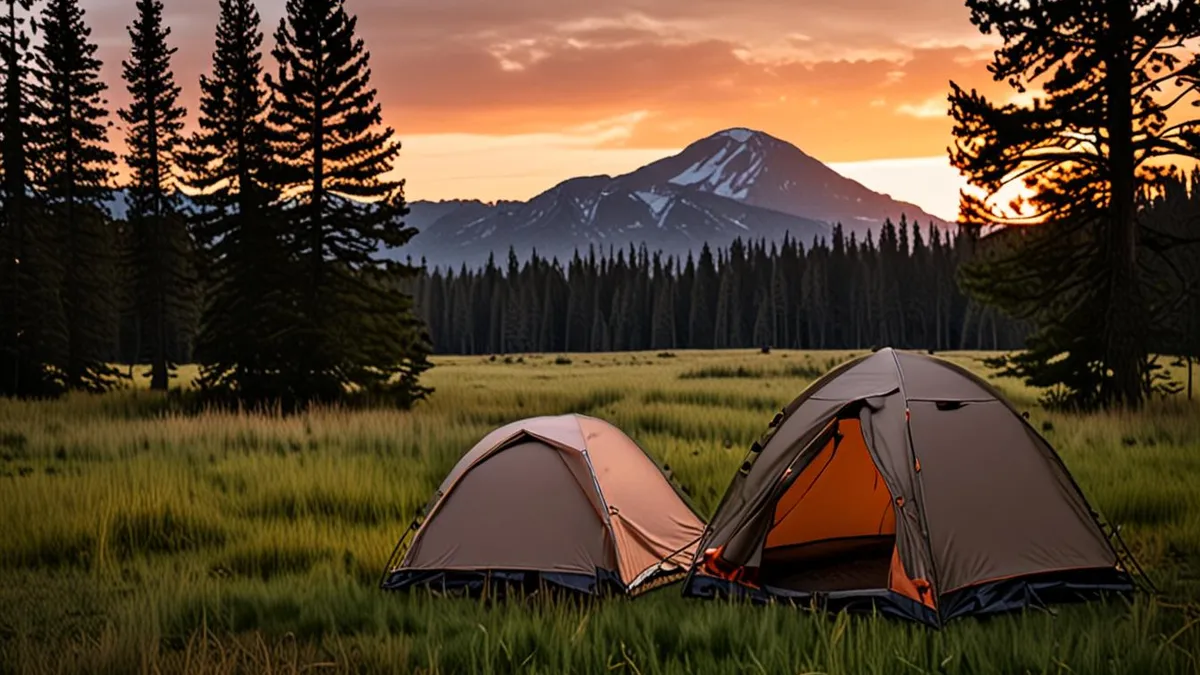
The core difference comes down to who sets up your stay. With traditional camping, you bring everything yourself: the tent, the sleeping bags, the stove, the cooler and the headlamps. You pitch your shelter on arrival, cook on your own gear and sleep on the ground or on a thin mat. When the trip ends, you pack it all down again and drive home with a wet tent in the trunk.
Glamping flips that equation entirely. You arrive at a stay that is already built and furnished — a safari tent, a geodesic dome, a wooden cabin or a yurt — with proper beds and bedding provided. There is nothing to pitch and nothing to strike. Your main job is unpacking a suitcase.
What you’re really trading
At its heart, the choice is a trade-off between money and convenience on one side, and cost savings and self-reliance on the other. Glamping costs more per night but removes the gear, the setup and most of the weather exposure. Camping costs far less but asks you to handle everything yourself, from food storage to staying warm at night. Neither is the better choice in absolute terms; the right answer depends on your budget, your experience and how much comfort you need to enjoy the outdoors.
What Each Style Really Costs
The price gap between the two styles is wide, and it shapes the whole trip before you leave home. A basic campground tent pitch typically runs $20–50 per night for two people, which is why camping remains the go-to option for budget travelers and anyone planning a longer stay where nightly costs add up. Glamping stays typically range from $100–400 per night depending on tent type and location, with large domes and remote lodges sitting at the top of that range. A simple safari tent near a popular national park will usually land at the lower end, while a fully serviced dome with private facilities commands the higher rates.
But the nightly rate doesn’t tell the whole story, so it pays to look at the full picture before choosing. First-time campers face a one-time gear outlay of roughly $300–600 for a tent, sleeping bags and a stove before they’ve even paid for a campsite. That upfront spend can feel steep, but it covers many trips over the years. Glampers pay no gear costs at all, though they should budget for meals at on-site restaurants or in nearby towns, since most glamping sites have limited or no self-catering facilities. Over a three-night stay, those restaurant meals can quietly add up to a noticeable chunk of the budget.
- Hidden campground extras: many campgrounds charge separately for firewood, hot showers or extra vehicles, so a $25 pitch can quietly grow by $10–20 a night. Ask about these fees when you book so the final cost doesn’t surprise you at check-in.
- Ongoing gear costs: tents, sleeping bags and stoves wear out, so campers should expect occasional replacement spending every few years. Storing gear dry and checking it after each trip stretches its life considerably.
- Food logistics: campers shop and cook for themselves, which keeps food costs low but adds planning; glampers often pay restaurant prices for every meal of the stay. Bringing some snacks and breakfast supplies can soften that difference without much effort.
Comfort: What You Get at Each End
Comfort is where the two styles diverge most clearly. Glamping usually includes a real bed with proper linens, lighting, heating or fans, and often a private bathroom or hot shower steps from your door. You sleep at a normal height, off the ground, and wake up without a stiff back. For a sense of how comfortable this can be, a stay like The Little Hide in York, United Kingdom shows how a small glamping site can feel closer to a boutique hotel than a campsite.
Camping comfort depends on your gear
With camping, comfort is entirely a function of what you bring. Sleeping pads, quality sleeping bags and a well-organized camp kitchen make or break the trip. A cheap pad on hard ground can ruin a week of otherwise perfect weather, while a warm bag and a decent stove can make a cool evening feel cozy. Experienced campers invest in these three areas first.
The biggest comfort gap, though, is weather exposure. Canvas glamping tents insulate far better than thin nylon tents, holding warmth on cold nights and staying cooler in the heat. Nylon camping tents are lightweight and affordable but offer little thermal buffer, so a rainy, windy night feels much more raw at a basic campsite than inside a solid canvas structure.
Effort and Skills Required
Camping puts the work on you from the moment you arrive. You pitch the tent, figure out the guy lines, roll out your sleeping pad and set up a camp kitchen. Food storage matters too — you need to keep meals secure from animals and plan around what a cooler and a camp stove can actually handle. Cooking on a fire or a portable stove is part of the fun for many campers, but it takes practice to get timing and heat right.
Glamping removes nearly all of that. Your safari tent, dome or yurt is already standing, the bed is made, and the lighting works when you flip a switch. You arrive, unpack your bag and the stay is ready. There are no poles to sort, no stakes to hammer and no stove to assemble.
That said, camping rewards repetition. A first-timer can easily take twice as long to pitch a tent and pack it down as an experienced camper who has done it a dozen times. If you plan several trips, that learning curve flattens quickly — and many people come to enjoy the routine of setting up camp as part of the experience rather than a chore.
Booking Windows and Best Seasons
Timing matters more for glamping than for traditional camping. During peak season, which in most of Europe and North America runs June through September, both styles are at their busiest — but glamping sites have far fewer units to sell, so they fill faster. Popular sites often need booking 2–6 months ahead for summer dates, especially for weekends and family-sized tents. If you have your heart set on a specific dome or safari tent for July, waiting until spring is a gamble.
Campgrounds are more forgiving. With many more pitches available, you can often book a tent site on short notice, though holiday weekends still fill early and some national park campgrounds open reservations well in advance. For a look at what a well-run European glamping site feels like in summer, this Huttopia Font-Romeu review shows how the experience works in the French Pyrenees.
A few timing tips worth knowing:
- Shoulder months like May and late September often come with lower glamping rates, so the same tent can cost noticeably less than in July or August.
- Shoulder-season campgrounds are quieter too, meaning easier access to showers, picnic tables and popular trails without the summer crowds.
- Midweek stays in summer are usually easier to book at glamping sites than Friday and Saturday nights, which sell out first.
Check current rates and availability directly with operators, since pricing shifts by season and demand.
Which Style Fits Your Trip
The right choice depends less on the destination and more on your budget, trip length and how much comfort you need. Camping makes sense when money is tight, when you are heading somewhere remote with no glamping infrastructure, or on longer multi-night trips where a nightly glamping rate would add up fast. The per-night savings on a basic tent pitch compound quickly over a week, which is why budget-conscious travelers and long-haul road trippers usually stick with traditional camping.
When glamping is the better fit
Glamping shines for first outdoor stays, couples who want comfort, and short one-to-two-night escapes where the higher nightly rate is offset by not buying any gear at all. Families with young kids often start here too — it lets you test the outdoors without investing in a full starter setup before you know whether camping suits your crew. If the weather turns or the kids melt down, you still have a proper bed to retreat to.
Match the style to the destination
Destination should shape your decision as well. Rainforest and wilderness trips favor sturdy setups, whether that is a quality tent you pitch yourself or a solid, well-built glamping structure. Coastal trips are different: surf and beach glamping sites trade some shelter and insulation for location, putting you steps from the water. A good example is this Dreamsea Surf Camp review from Suances, Spain, which shows how a coastal glamping stay prioritizes beach access over heavy-duty weather protection. If your trip involves serious weather or bugs, lean toward the sturdier option; if it is about mornings on the sand, the trade-off is usually worth it.
The Takeaway
The core difference comes down to what you pay and what you do. Camping typically costs $20–50 per night plus a one-time gear outlay, and you handle everything yourself: pitching, cooking and packing down. Glamping runs $100–400 per night with a real bed, bedding and lighting already waiting for you, and zero setup required.
In short, glamping buys comfort and convenience, while camping buys savings and self-reliance. If you’re set on a glamping stay for the June–September peak, book 2–6 months ahead. Otherwise, match the style to your budget, trip length and comfort needs — both can give you a great night outdoors. If this helped you decide, leave a comment or share the article with a friend who’s planning a trip.