You love the idea of glamorous camping, but here’s the tricky part: how do you tell a genuinely great glamping site from an overpriced tent in a field? The photos all look dreamy, the descriptions promise “luxury under the stars,” and yet first-time glampers regularly book places that turn out to be drafty, miles from anything, or nothing like the listing suggested. Learning how to choose a glamping site is really about asking the right questions before you pay.
This checklist walks you through the whole process, step by step. We’ll cover how to decide what kind of glamping experience you actually want, picking the right season and location, setting a realistic budget, checking the facilities before you book, timing your reservation and reading the fine print, and matching the site to your travel style. Work through it in order and your first glamping trip should feel a lot less like a gamble.
Decide What Kind of Glamping Experience You Want
The single biggest decision you’ll make is your structure. A safari tent, yurt, dome, treehouse and cabin might all appear under the “glamping” label, but they offer very different comfort levels, and the differences matter more than any photo suggests. A cabin usually means solid walls, real insulation and proper windows, while a canvas safari tent lives and breathes with the weather outside. A geodesic dome often has panoramic windows and a modern feel, while a yurt’s round shape and wood frame give it a cozy, contained warmth.
Next, think about the size and style of the operation. A resort-style glamping site might come with a pool, a restaurant and organized activities, while a small standalone hideaway might be one tent on a farm with nothing but birdsong. Neither is better, but they deliver completely different trips. Ask yourself honestly whether you want solitude in nature or a social atmosphere with communal fire pits and shared evenings with other guests.
- Safari tents: usually the most spacious option, often with a covered veranda and separate sleeping compartments, a good middle ground between canvas charm and hotel comfort.
- Yurts: circular felt-and-canvas structures that hold heat well, popular in cooler regions and often centered around a wood stove.
- Domes: best for couples who want a view, since the transparent panels are dramatic but offer limited privacy.
- Treehouses: romantic and memorable, but typically compact, so check the actual floor space before assuming you can fit more than two people.
- Cabins: the safest choice for anyone nervous about “real” camping, with solid walls, locking doors and fewer weather worries.
Finally, match the stay type to your group. Couples tend to suit domes and treehouses, where the compact, atmospheric design becomes part of the experience. Families need multi-room tents, so parents get a separate sleeping area and nobody is lying awake listening to a child snore a meter away.
Pick the Right Season and Location
Glamping lives or dies on the weather, because canvas is thin and most structures aren’t heated like a hotel room. For reliable canvas-tent weather in most of Europe and North America, aim for the May to September window. That’s when nights are warm enough that a canvas wall feels charming instead of punishing.
Understanding canvas and temperature
Canvas stays comfortable at roughly 10-25°C (50-77°F). Outside that range, it gets chilly or stuffy fast, and in the shoulder months of late spring and early autumn, daytime can be lovely while nights drop well below comfortable. If you’re traveling outside peak season, pack warm sleepwear and check whether the tent has heating, because a beautiful September evening can still turn into a cold night.
Location realities to check
Look at where the site actually sits. Check the distance to the nearest town for supplies, because some hideaways are an hour’s drive from a supermarket, and a forgotten toothbrush becomes a real problem. Confirm whether the site is reachable by a regular car or whether the last stretch of road needs a 4×4, and ask your host directly rather than guessing from map views.
Finally, consider the landscape itself. A forest site feels enclosed, shaded and quiet; a coastal site brings wind, salt air and big skies; a desert location means extreme temperature swings between day and night; and mountain sites deliver drama and cold mornings. Each one changes the entire experience, so choose the setting that matches the trip you’re imagining rather than the prettiest photo.
Set a Realistic Budget
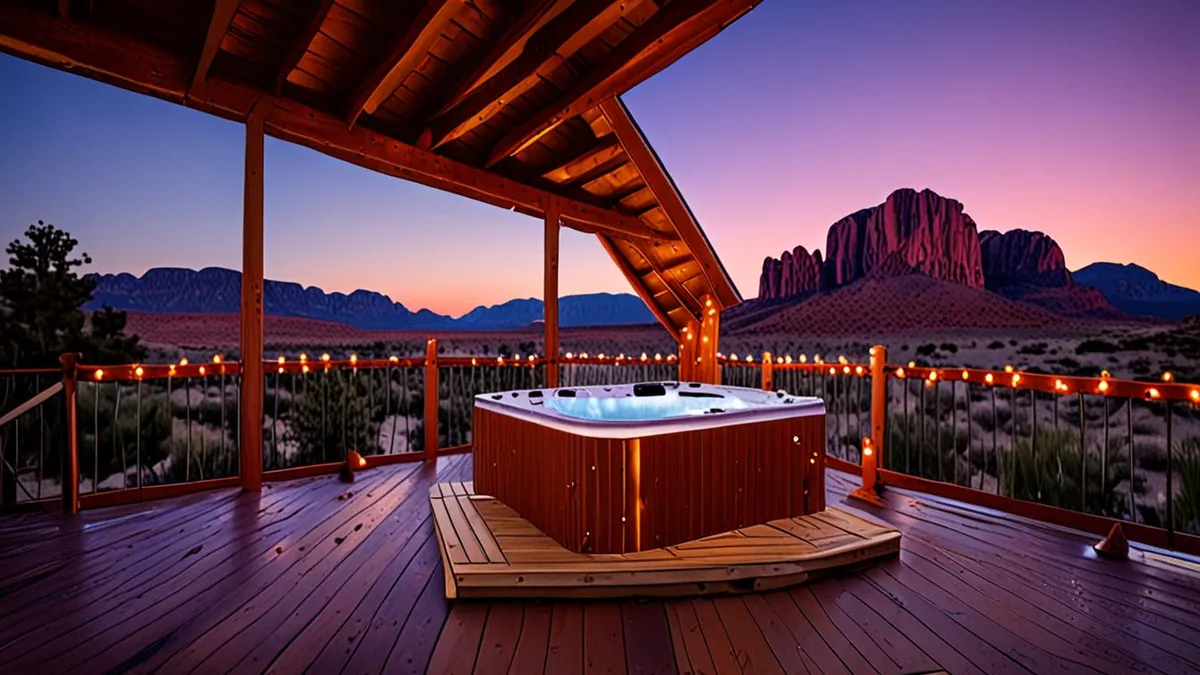
Glamping prices swing wildly, so anchor your expectations before you fall in love with a listing. Budget glamping tents typically cost $80-150 per night, while luxury lodges run $250-600+ per night. Between those two extremes you’ll find everything from simple canvas on a farm to safari-style suites with private plunge pools, so decide early which end of the scale you’re shopping in.
Then look past the nightly rate. Extras like hot tubs, breakfast, activities and cleaning fees can quietly add 20-40% to your bill, turning a seemingly affordable tent into a pricey weekend. Also watch for minimum stays: most glamping sites require a minimum stay of 2 nights on weekends, which effectively doubles the cost of what you may have planned as a one-night treat.
- Linen and towels: some sites include fresh bedding and bath towels as standard, while others charge a per-person linen fee or ask you to bring sleeping bag liners, so confirm before packing.
- Firewood: a fire pit is often advertised as a highlight, but wood is sometimes sold on site by the crate rather than included, which adds up over a multi-night stay.
- Cleaning fees: these are increasingly common and can be significant on short stays, since the same flat fee applies whether you stay one night or five.
- Breakfast and activities: pre-booked meal plans or guided walks may look optional in the listing but be effectively essential if the site is remote and has no kitchen access.
Finally, compare what is actually included between the sites on your shortlist. Two tents at the same price can feel completely different if one throws in wood, linen and breakfast and the other charges for each. A quick email asking “what exactly is included in the rate?” often reveals more than the entire listing.
Check the Facilities Before You Book
The single biggest comfort difference between glamping sites comes down to bathrooms. Some tents have a private en-suite with a hot shower and flush toilet, while others rely on a shared washblock. Both can work well, but shared facilities should ideally sit within 50-100 meters of your tent, especially if you plan to get up in the night. If an en-suite matters to you, confirm it in writing before you book rather than assuming.
Beds and temperature control are the next things to pin down. A “real bed” can mean a proper mattress on a frame or a thin futon on a platform, and the difference is obvious after night three. Heating and cooling matter most in spring and autumn, when nights can drop well below what canvas alone can handle. A wood stove or electric heater turns a chilly tent into a cozy one; without it, pack accordingly.
If you plan to self-cater, run through the practical details before paying. It helps to read a detailed review such as this glamping stay in York, United Kingdom to see how facilities work in practice. Then ask the site directly about:
- Electricity: whether there are sockets inside the unit, just USB ports, or no power at all, which affects charging phones and running small appliances.
- Wi-Fi: whether it reaches inside the tents or only the communal area, and how reliable it is if you need to work remotely.
- Cooking equipment: what the kitchen or BBQ area actually includes, from pots and pans to cutlery and dish soap, and whether you must bring your own.
- Refrigeration: whether there is a fridge in the unit or a shared one, since a cooler box only gets you so far on a longer stay.
Finally, read recent reviews with a specific eye for cleanliness and noise. Older five-star ratings tell you little if the site changed management last year. Look for comments about how well units are cleaned between guests and whether sound carries between neighboring tents, which matters more in dense sites than in spread-out ones.
Book at the Right Time and Read the Fine Print
Glamping sites are small, often with only a handful of units, so the best dates disappear faster than you would expect. A site with six safari tents is not a hotel with sixty rooms; one busy holiday weekend can wipe out availability for an entire month. A little planning around booking windows and policies saves both money and stress, and reading a review of a glamping site in Font-Romeu in the French Pyrenees can give you a sense of how quickly popular mountain sites fill up once summer approaches. Before you pay anything, work through the steps below in order. Each one takes only a few minutes, but together they cover the questions that cause most booking problems: when to reserve, how to get out of a reservation if plans change, when you can actually arrive, and how the payments are structured. Skipping them is how travelers end up losing a deposit on a trip they never took.
- Book early for peak dates. For summer weekends at popular sites, aim to book 3-6 months ahead. Small sites with under ten units can sell out entire months in advance, especially around public holidays.
- Check the cancellation window. Most sites allow free cancellation 14-30 days before arrival, but some are stricter. Read the refund policy before paying, not after plans change.
- Confirm check-in times. Ask what time check-in opens and closes, and whether late arrival is possible if you are traveling far and might land or drive in after dark. Finding an unlit field at midnight is nobody’s idea of a good start.
- Clarify deposits and payment schedules. For longer stays, ask how large the deposit is and when the balance is due, so you are not surprised by an early full payment.
Doing this in order matters, because each answer shapes the next decision. A strict cancellation policy might push you toward travel insurance, while a late check-in limit could change your transport plans or convince you to arrive a night earlier. A large deposit due months out might affect which site fits your budget. Ten minutes of questions before paying prevents most of the booking headaches first-timers run into, and it also gives you a useful read on the site itself: hosts who answer clearly and quickly before you book usually keep that standard once you arrive.
Match the Site to Your Travel Style
Glamping is not one experience but several, and the right site depends on what you want from the trip. The same safari tent that feels like an adventure to one traveler feels like unnecessary isolation to another. Start by being honest about your travel style, then choose the site that matches it.
If you want activity and adrenaline
Adventure seekers should prioritize location over luxury. Look for sites near hiking trails, surf breaks or wildlife areas, where the accommodation is a base camp rather than the destination itself. Surf camps with canvas accommodation are a great example: you fall asleep to the sound of the ocean and walk to the waves in the morning. A review of a surf camp in Suances, Spain shows how this setup works in practice, with lessons and a social atmosphere built in.
If you want to slow down
Slow travelers often prefer forest retreats or tropical island sites where the focus is relaxation: hammocks, long breakfasts, maybe a sauna or a quiet deck with a view. Here, fewer amenities can be a feature, not a flaw, as long as the basics are comfortable.
First-timers nervous about camping should lean the other way and choose a full-service site with on-site staff. Someone to light the fire, answer questions and fix problems makes the transition from hotels much easier. Whichever direction you lean, use reviews and photos to verify the vibe matches what you actually want. Guest photos reveal more than polished marketing shots, and comments about atmosphere tell you whether a site is quiet and romantic or lively and family-oriented.
Your Glamping Choice, Simplified
Separating a genuinely excellent glamping site from an overpriced tent in a field comes down to checking the same five things every time: the stay type that suits your group, the season and location, a realistic budget, the actual facilities, and the booking terms. A luxury price means little if the “real bed” turns out to be a futon and the bathroom is a long walk away in the rain.
Work through the checklist in order, from choosing your structure to reading the cancellation policy, and the right site for your first glamping trip becomes obvious. The overpriced tent in a field reveals itself quickly once you know what to ask. If this checklist helped you plan your first trip, leave a comment or share the article with a fellow first-timer.