Planning a mountain getaway often stalls at one stubborn question: lodge vs cabin. You’ve picked the dates, found a region you love, and then two very different options appear — a staffed lodge with a restaurant downstairs, or a private cabin with a kitchen and a wood stove. Both look tempting, and both can fit your budget, which makes the decision harder than it should be.
This guide breaks the choice down into practical pieces. We’ll start with the core differences between the two stay types, then look at when a lodge makes more sense and when a cabin wins. From there, we’ll compare typical costs and booking timelines, match each option to the season and setting, run through a checklist before you book, and finish with a simple way to decide. By the end, you should know exactly which one suits your trip style, your group and your wallet.
Lodge vs Cabin: The Core Differences at a Glance
The fastest way to understand the lodge vs cabin debate is to look at what each one actually provides. A lodge works much like a hotel in a mountain setting: you check in at a front desk, staff handle daily housekeeping, and many properties include an on-site restaurant, a lounge and sometimes a bar or spa area. You arrive, and someone else takes care of the details.
A cabin flips that arrangement. You typically get a private kitchen, more living space and often extras like a deck, fire pit or wood stove — but no daily service. You cook your own meals, wash your own dishes and manage your own firewood. For many travelers, that trade is the whole point: it feels like a home in the mountains rather than a room in a building.
Atmosphere and privacy
Lodges concentrate guests in one building, which makes them social by default. You’ll share walls, hallways and common spaces with other travelers, and chatting over breakfast or by the fireplace is part of the experience. Cabins go the other way: they offer isolation, quiet evenings and no neighbors unless you invite them.
On price, the overlap is real, so don’t assume one is automatically cheaper. Lodge rooms tend to cost less per room, which suits couples and solo travelers. Cabins cost more as a single rental, but split among a group, they often come out cheaper per person. The rest of this guide helps you work out which side of that math fits your trip.
When a Lodge Is the Better Choice
If your mountain trip is short, a lodge usually makes life easier. On stays of one to three nights, the time you’d spend grocery shopping, cooking and cleaning up a cabin can eat a meaningful chunk of your visit. At a lodge, you check in, drop your bags and head straight to the trails or slopes, and housekeeping keeps the room fresh while you’re out.
Lodges also shine when your trip is built around activities the property itself supports. Many mountain lodges sit close to trail networks or ski terrain and run their own amenities — gear storage, guided outings, shuttle service or equipment rental — so the lodge becomes your activity hub, not just a place to sleep.
Then there’s the evening factor. After a long day outside, having a restaurant, a lounge and a fireplace bar a few steps from your room is a genuine comfort. You get a hot meal and a drink without driving anywhere, which matters on cold or stormy nights.
- Guided access: Many lodges organize or connect you with local guides for hiking, skiing or wildlife outings, so you can book activities through the front desk instead of researching operators yourself.
- Equipment and gear support: Boot dryers, ski storage and drying rooms are common lodge perks that save you from hauling wet gear into a bedroom.
- Built-in social evenings: Fireplace bars, communal decks and live music nights give solo travelers and couples an easy way to meet people without planning anything.
- One-room simplicity for couples: With most lodge rooms sleeping two to four guests, couples avoid paying for space they won’t use, and housekeeping is part of the deal.
When a Cabin Wins Your Mountain Trip
For groups, the cabin usually wins the math outright. A typical cabin sleeps four to eight guests, so a single rental can house a family reunion or a friends’ trip that would otherwise need two or three separate lodge rooms. Splitting one nightly rate among six people almost always beats paying per room, and everyone gets a shared living room for evenings together.
Length of stay matters too. On week-long trips, a full kitchen saves real money on meals — breakfast and most dinners at the cabin, with eating out reserved for a night or two. Over seven days, that difference adds up to a meaningful chunk of your budget.
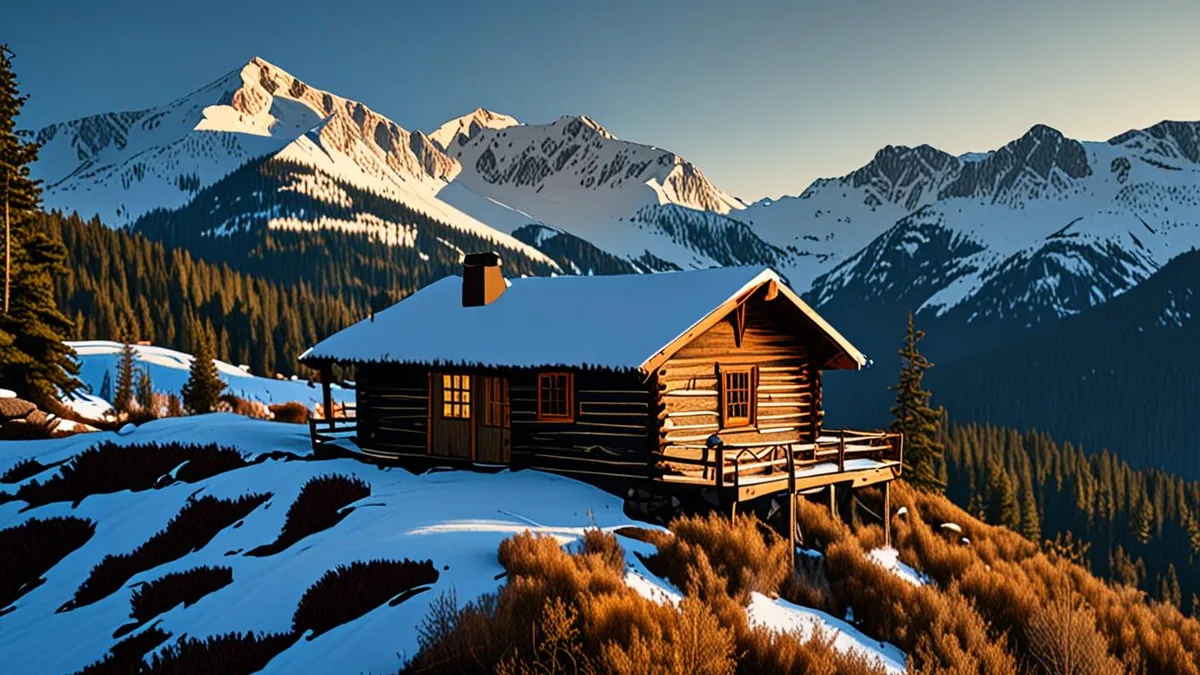
Privacy is the other big draw. No shared walls, no hallway noise, no lobby traffic — just your group, a wood stove and the quiet of the mountains. For some trips, the cabin isn’t a base for the region at all; it’s the destination itself. A remote rental with a fire pit, a deck and a view can be the whole point of the weekend, as we found staying at our own mountain hideaway in West Virginia, where the cabin experience mattered more than anything nearby.
- Shared meals as the trip’s centerpiece: A dining table that seats your whole group turns cooking into an event, not a chore — think big breakfasts before a hike or a slow dinner with board games after.
- Room to spread out: Multiple bedrooms and a real living space mean early sleepers, night owls and kids aren’t stacked in one room the way they would be in adjoining lodge rooms.
- Pets and gear: Many cabin rentals are more forgiving about dogs and muddy boots than lodges, with space for bikes, skis and kayaks in a garage or mudroom.
- True dark-sky nights: Remote cabins often sit far from town lighting, which makes stargazing from the deck or hot tub a nightly feature rather than a special outing.
How Costs Compare and When to Book
Price is where the lodge-versus-cabin decision gets interesting, because the two stay types cost money in different ways. A single lodge room in a popular mountain region typically runs $150–$350 per night, while a whole cabin typically rents for $180–$450 depending on size and season. At first glance the cabin looks more expensive, but remember you are comparing one room against a place that often sleeps four to eight people.
That math matters most for groups. A $300 cabin split between six friends comes out far cheaper per person than two or three lodge rooms at $200 each. Solo travelers and couples, on the other hand, usually find the lodge room the lighter hit on the wallet, since they are not paying for space they will not use.
Timing your booking
Season swings prices more than stay type does. Shoulder months of May and September–October can cut rates by 20–40% at both lodges and cabin rentals, and you often get quieter trails thrown in. If your heart is set on peak season, which runs June–August and December–February, reserve 3–6 months ahead to get real choice rather than whatever is left.
One last trap when comparing totals: cabins frequently require a 2–3 night minimum stay on weekends. A nightly rate that looks higher at a lodge can work out cheaper for a one-night trip, so always multiply out the full cost of your actual dates before deciding.
Matching Your Stay to the Season and Setting
The right stay often depends less on the property itself and more on when you are going and what surrounds it. Winter travelers tend to do better in lodges, where ski access, heated common spaces and a fireplace bar make short, dark days comfortable. Coming in from the cold to a lounge with a fire beats heating up an empty cabin after a day on the slopes.
Summer flips the logic. Hikers who want to be on the trail at first light often prefer a cabin near the trailhead, with gear already packed in the kitchen and no lobby between them and the mountain. If ridgeline views are calling, it can help to browse dedicated stays such as lodges with sweeping mountain views to see what that setting offers.
Setting matters as much as season. Lakeside and valley locations suit cabins, where privacy and a wood stove fit the quiet. Ridgeline and resort settings suit lodges, which are built to show off the view and keep guests fed and warm.
- Winter ski trips: look for lodges with boot storage and gear drying rooms, which save you from hauling wet equipment through your bedroom.
- Summer hiking weeks: cabins near trailheads let you start before the parking lots fill and return for a late lunch instead of trail snacks.
- Lakeside stays: a cabin gives you private water access for kayaks or swims, something shared lodge grounds rarely offer.
- Shoulder-season escapes: May and September–October bring the best deals in either stay type, often with milder crowds and flexible booking.
Checklist Before You Book Either One
Whichever stay type wins on paper, a few checks before you pay will save you from the common surprises. Lodges and cabins fail in different ways: a lodge can disappoint with thin walls and a dated room, while a cabin can turn a dream week into a logistics problem if the road, heat or kitchen setup falls short. Run through this list with the specific listing or property in front of you, and take notes as you go. If a host or front desk cannot answer a question clearly, treat that as useful information in itself.
- Confirm what is included. In cabins, ask whether linens, towels, firewood and kitchen basics like oil, salt and coffee are provided. Some rentals supply everything; others expect you to bring your own bedding and buy wood locally. At lodges, check whether breakfast, parking and resort fees are part of the rate or added at checkout.
- Check the drive time. Most mountain lodges sit within 15–30 minutes of trailheads and town services, but cabins can be far more remote. Map the route yourself and note whether the last stretch is gravel or unplowed in winter. A remote setting is part of the appeal, but only if your rental car and your schedule can handle it.
- Read the cancellation terms carefully. Lodges and cabin rentals differ sharply here: hotels often allow changes closer to arrival, while private cabin owners may hold the full amount with little flexibility. Know the policy before you book, not after plans shift, and consider whether travel insurance makes sense for a longer, prepaid stay.
- Scan recent reviews for the practical stuff. Look for mentions of heating, water pressure, Wi-Fi reliability and road access in winter. A dreamy listing photo means little if guests report a wood stove that barely warms the bedrooms or a driveway that becomes a mud rut after rain.
Doing this takes maybe twenty minutes and turns an unknown into a known. It also gives you leverage: if a listing cannot answer basic questions about heating or access, that silence is your answer. And if several checks come back clean, you can book with far more confidence, whether you end up in a staffed lodge or a quiet cabin of your own.
Choosing Between a Lodge and a Cabin
The choice comes down to how you travel. If your trip is short, activity-packed and you’d rather have someone else handle the cooking and cleaning, a lodge fits best. If you’re traveling with a group, staying a week or more, and want privacy plus a kitchen to cut food costs, a cabin is the smarter pick.
Your budget, the season and how much you want to cook will usually settle the question. For peak-season dates, book several months ahead; for the best value, aim for shoulder months when rates drop noticeably. Which one won your last mountain trip? Share your experience in the comments or pass this along to a friend planning their getaway.